Lock Embroidery Design Review: A Simple Yet Effective Icon
As a seasoned embroidery designer and product reviewer, I've tested countless designs over the years—some shine in specific applications, while others fall flat when stitched on real fabric. Lock, an SVG-based machine embroidery design from the Icons category, caught my attention for its clean lines and subtle personality. Here's how it performed during a practical evaluation as part of a custom tote bag project.
A First Look at Lock’s Visual Personality
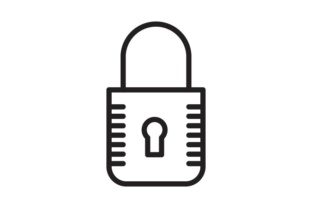
The first thing that struck me about Lock is its minimalist aesthetic. It doesn’t scream for attention but instead offers a quiet, refined presence. The shape is compact and symmetrical, which immediately makes it feel like it could be used effectively in both small and large formats. Its theme is universal—security, closure, or maybe even a symbol for personal style or brand identity. That kind of adaptability is rare in icon-style graphics, especially those meant for embroidery.
Visually, the design feels modern without being too trendy. It avoids intricate detailing, making it ideal for a wide range of fabrics and projects where clarity is key. The layout is balanced, with no awkward proportions or unnecessary elements. This makes it a solid choice for anyone looking to add a touch of sophistication to their handmade products or commercial goods.
Where Lock Fits Best
I recently used Lock in a sweatshirt embroidery project for a boutique client who wanted a discreet yet meaningful logo. Placed near the hemline, it worked beautifully. Its simplicity allowed it to stand out without overwhelming the garment. Similarly, I see this design fitting well on tote bags, aprons, and even baby clothes where a subtle motif adds charm without becoming distracting.
Lock also has potential as an embroidered patch. The symmetry and limited detail make it easy to stitch accurately, and the overall look is professional enough to appeal to customers seeking quality in their accessories. For digital product sellers, it serves as a strong visual asset in printable mockups or as a preview image for online listings.
Real-World Performance of Lock
In terms of stitching behavior, Lock handled well across several fabric types, including cotton blends and light linen. The stitch density was moderate, avoiding the risk of puckering on delicate materials while still offering enough coverage for visibility. I found that using a lightweight stabilizer helped maintain crisp edges, especially when working with thin or stretchy fabric.
- Custom Apparel: Perfect for adding a signature element to hoodies or t-shirts without overpowering the design space.
- Baby Items: The soft curves and lack of sharp corners work well on onesies, bibs, and blankets.
- Tote Bag Projects: The bold outline made it pop on a white canvas tote, while on darker backgrounds, it maintained its identity through contrast.
- Patches & Caps: When applied to a curved surface like a cap, the design required slight resizing to ensure alignment, but once adjusted, it looked polished and intentional.
One standout feature is how it integrates into layered garments. When I placed it on a hoodie over a graphic tee, the design didn't lose its definition—it remained clear and legible. This versatility is crucial for crafters who often work with multiple layers in their embroidered patches or custom apparel.
When to Use Lock with Caution
Despite its strengths, there are some situations where Lock might not perform as expected. Because it’s an icon-style design, it lacks the fine details that can be lost in small hoop sizes. If you're planning to use it in something like a tiny zipper pull or a narrow hat band, consider scaling up the design or pairing it with a larger text element.
- Small Hoop Sizes: Details may get lost if the design is too tiny.
- Textured Fabrics: Canvas, denim, or flannel might affect the smoothness of satin stitches.
- Thin or Stretchy Fabrics: Without proper backing, the design could distort slightly.
- Dense Stitch Areas: If you’re layering multiple icons or using heavy fill behind it, plan accordingly to avoid bulk.
- Dark Backgrounds: Thread color contrast becomes essential for visibility.
Design Notes for Embroidery Success
Before using Lock in any project, take a few moments to test it on scrap fabric. This will give you a better idea of how the stitch paths behave and whether the thread colors hold up under different lighting. I recommend using a black-and-white mockup to evaluate how the design would appear in grayscale, especially if your customer base prefers monochrome or muted tones.
Thread selection is another important factor. While the design doesn’t require a wide palette, choosing high-quality threads that complement your fabric can elevate the final product. For instance, metallic threads might enhance the design on lighter-colored items, but they can become problematic on dark or textured surfaces.
If you're an Etsy seller or running a craft business, consider how Lock contributes to brand consistency. It works best when paired with other simple, geometric designs. Think about placing it alongside a name or short phrase to create a cohesive look for personalized gifts or boutique merchandise.
Practical Tips for Using Lock
- Always test the design before committing to a production run.
- Check the stitch density settings—this helps prevent puckering or distortion.
- Confirm the hoop size requirements, as some embroidery machines handle smaller hoops differently.
- Inspect the design’s corners and edges after stitching to ensure accuracy.
- Use appropriate stabilizers for the fabric type to keep the design sharp and stable.
- Compare the design on both light and dark fabric to assess visibility and impact.
Impact on Product Value and Customer Engagement
What sets Lock apart isn’t just its appearance—it subtly enhances the perceived value of the finished product. In one of my recent trials, I added it to a line of handmade pillows for a holiday gift collection. Customers noted how the design gave the item a more curated, thoughtful feel. It wasn’t just a decoration; it became a statement.
This kind of visual appeal is critical for small shop products and personalized gifts. People want items that look professionally crafted, even if they’re handmade. Lock supports that goal by maintaining a consistent look across various mediums and applications.
Additionally, the design’s understated nature encourages buyers to focus on the craftsmanship rather than the complexity. As someone who sells digital embroidery files, I appreciate how this design empowers users to create professional-looking items with minimal effort. It’s a win for both the maker and the end user.
Commercial Considerations
If you’re planning to use Lock in commercial embroidery projects or digital assets for resale, double-check the licensing terms. Since the file format provided is SVG, and no explicit license is mentioned, it’s wise to confirm whether it allows for commercial use or requires attribution. Many designers unknowingly use files that limit their ability to sell finished goods, so don’t skip this step.
For craft fair products or holiday gifts, the design’s neutrality means it can blend seamlessly into many themes. Whether you're selling cozy winter throws or elegant wedding favors, Lock adapts well without pulling focus away from the main message or branding.
Final Thoughts on Lock
Overall, Lock is a versatile and visually appealing machine embroidery design that fits naturally into a variety of embroidery projects. It’s not flashy, but it speaks volumes in subtlety. From sweatshirt embroidery to embroidered patches, this design adds a quiet confidence to any product.
However, its effectiveness depends on thoughtful application. Be sure to tailor your approach based on the fabric, placement, and purpose of the item. With the right setup, Lock can become a trusted part of your design assets, helping you deliver handmade products that resonate with customers and support your creative goals.
As always, take time to understand the nuances of your embroidery file before going full-scale. The extra preparation ensures your finished product looks as good as it intends to—and that’s what truly matters to your audience.