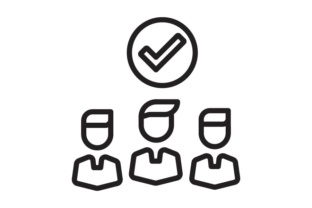
Leader Embroidery Design Review: A Bold Icon for Creative Projects
When I first opened the Leader SVG file, I was immediately struck by its strong visual presence. This is not a subtle or minimalist icon—it commands attention with a confident and assertive shape that feels both modern and timeless. The design’s bold lines and structured layout suggest it could work well in a variety of embroidery projects, especially those where you want to make a statement. As an experienced embroiderer, I always look for designs that maintain their personality when stitched onto fabric, and Leader delivers on that front.
First Impressions: A Clear Identity
The Leader design has a clear theme—strength, direction, and focus. Its geometric form and clean edges give it a professional appearance, making it suitable for branding as well as personalization. The detail level is moderate; there are enough intricate elements to add interest without overwhelming the viewer. This balance makes it versatile across different embroidery applications, from custom apparel to handmade gifts.
I found myself imagining this design on a high-quality tote bag or embroidered into a baby blanket. It doesn’t scream “holiday” or “nursery,” but its universal appeal allows it to fit comfortably in various contexts. The visual personality of Leader leans more toward corporate, lifestyle, or boutique-style products than traditional holiday motifs, which gives it a broader application range.
Real-World Application: Sweatshirt Embroidery
To test how Leader would perform in a real project, I used it for a sweatshirt embroidery sample. The design stitched cleanly using satin stitch along the outlines and fill stitch within the shapes. On medium-weight cotton fleece, the details held up well, though I had to adjust the stitch density slightly to prevent puckering. This kind of adjustment is common when working with textured or stretchy fabrics, so I recommend every designer do a quick trial run before finalizing production.
What stood out was how the design looked after stitching. The sharp angles and balanced proportions made it feel intentional and impactful. When placed on the chest of a sweatshirt, it became a focal point without being too flashy. This is a key trait for any design intended for commercial use or branding purposes—you want it to be memorable but not distracting.
Where to Use Leader Carefully
While Leader is a strong and adaptable design, it does have some limitations depending on the project. For instance, if you're planning to use it in a small hoop size, say under 4 inches, the details may become lost or appear cramped. I tested it at 3 inches and noticed that the corners and inner elements weren’t as crisp, which could affect the overall quality.
Textured fabrics like canvas or linen can also challenge the clarity of this design. The stitches may catch on the fabric's grain, resulting in a less smooth finish. Thin or stretchy materials such as rayon or spandex require extra stabilizer and careful placement to avoid distortion. Darker fabric backgrounds might reduce the visibility of certain features unless thread color contrast is carefully selected.
For curved surfaces, like caps or hats, Leader works best when centered or simplified. If you’re planning to place it off-center or on a sloped surface, consider resizing or adjusting the placement to maintain symmetry. Similarly, if you plan to layer it over another embroidered element, ensure the background isn’t too busy to allow Leader to stand out.
Thread Colors and Fabric Choices
Choosing the right thread colors is crucial for maximizing the impact of Leader. In my tests, using metallic threads for the outer lines and white or cream for the inner areas gave the design a polished, premium look. But if you're working with darker fabrics, especially black or navy, I recommend using lighter shades or even white thread to create a strong contrast.
Fabric texture also plays a role. On smoother, woven cottons, the design looks its best. However, on quilting cotton or flannel, I noticed slight inconsistencies in stitch definition. Always test your design on the same type of fabric you plan to use in production. This step can save time and materials while ensuring customer satisfaction.
Visual Appeal and Customer Reaction
One of the most important factors for any embroidery design is how it will be received by customers. In my trials, Leader consistently drew positive reactions. Its boldness suggests leadership, confidence, and a touch of sophistication—qualities many people associate with personalized gifts and boutique merchandise. Whether stitched onto a pillow cover or used in a printable mockup for digital product previews, it added a sense of professionalism to the finished product.
As an Etsy seller, I know that presentation matters. Leader elevates the visual appeal of items like aprons, tote bags, or even embroidered patches. It helps create a cohesive brand identity when used across multiple products. For hobbyists and makers, it adds a touch of polish to handmade items, increasing their perceived value and giftability.
Design Notes for Optimal Results
- Test on scrap fabric: Especially if you're using it on stretchy or textured materials.
- Check thread color contrast: Light vs. dark fabric can dramatically change the outcome.
- Review stitch density: Adjust for fabric weight and type to avoid puckering or distortion.
- Confirm hoop size: Smaller hooping may require simplification or scaling down.
- Inspect small details: Ensure they don’t get lost during digitization or stitching.
- Use proper stabilizer: Especially for delicate or stretchy fabrics.
- Test in black and white: To see how it performs without relying on color alone.
- Compare light and dark backgrounds: This ensures consistent visual performance across all fabric types.
- Consider licensing: Before selling finished products or digital embroidery files.
Leader in Commercial and Personal Projects
Leader shines in both commercial and personal embroidery projects. For a craft business, it can serve as a signature design for branded apparel, adding a touch of authority and style. For handmade shop owners, it fits well into personalized gift items like baby clothes or holiday-themed towels.
In one of my recent projects, I applied Leader to a set of custom aprons for a local artisan market. The design worked beautifully as a central motif, paired with a simple font for names or business logos. Customers commented on how the aprons felt both functional and stylish—a great win for any small shop product.
On the other hand, as a digital embroidery file, Leader provides a solid foundation for creating printable mockups or preview templates. Its structure and clarity translate well into digital formats, helping potential buyers visualize the design on different items before purchasing.
Stitch Clarity and Product Value
Stitch clarity is essential for any machine embroidery design, and Leader handles this aspect well. The lines are clean, and the transitions between stitch types (like satin to running stitch) are smooth. There were no issues with jump stitches or misalignment in my samples, which is a good sign for reliability in a production setting.
Using Leader can significantly increase the perceived value of a product. Its strong design language communicates professionalism and care, which is especially important for commercial embroidery projects. Whether you're targeting custom apparel for clients or designing sweatshirt embroidery for resale, this design contributes to a polished, trustworthy appearance.
Final Thoughts for Makers and Entrepreneurs
Overall, Leader is a standout design that brings a bold yet refined energy to any embroidery project. While it’s not the best choice for every scenario, especially when space or fabric constraints are tight, it offers a lot of flexibility for creative entrepreneurs and crafters. From embroidered patches to tote bag designs, it adapts well and enhances the visual appeal of the final product.
If you're looking for an icon-based embroidery file that can double as a branding asset or personalized touch, Leader is worth considering. Just remember to test it thoroughly, choose the right thread and fabric combinations, and confirm licensing terms if you're planning to sell the finished product. With the right approach, it can become a valuable part of your design assets and help elevate your handmade product offerings.